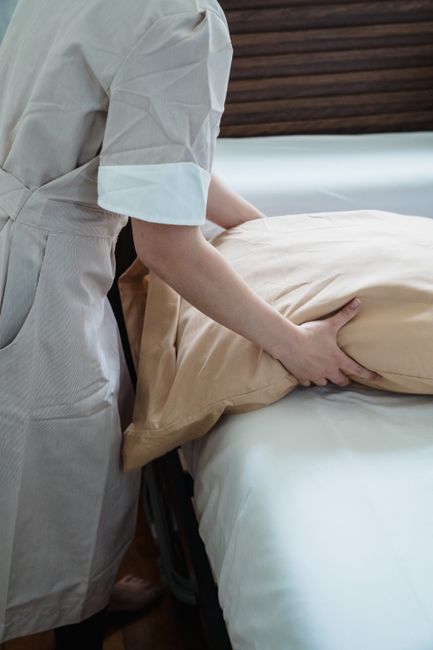
Hillingdon Hospital mattress deep cleaning services UB8
Posted on 12/10/2026
Hillingdon Hospital mattress deep cleaning services UB8: a practical guide for safer, fresher sleeping spaces
If you are looking into Hillingdon Hospital mattress deep cleaning services UB8, you are probably dealing with a simple but slightly stressful problem: a mattress that no longer feels clean, hygienic, or fit for regular use. Maybe it is in a hospital-related setting, a nearby rental, a staff room, or a property that sees a lot of footfall and turnarounds. Either way, mattresses hold onto far more than people realise. Dust, body oils, spills, odours, allergens, and invisible bacteria can build up quietly over time. Not exactly glamorous. But very real.
This guide breaks down what deep mattress cleaning actually involves, why it matters in a local UB8 context, how the process works, and what a sensible service should include. You will also find practical checklists, common mistakes to avoid, and a few plain-English explanations that make the whole thing easier to judge. If you need a cleaner, safer mattress outcome without the waffle, you are in the right place.
For a wider view of related cleaning options, it can also help to compare mattress care with deep cleaning services in Uxbridge or see how specialist soft-furnishing care fits alongside upholstery cleaning in Uxbridge.

Why Hillingdon Hospital mattress deep cleaning services UB8 Matters
A mattress can look fine and still be carrying a surprising amount of contamination. That is the awkward truth. In healthcare-adjacent environments, or anywhere mattresses are used by multiple people over time, the standard for cleanliness has to be higher than a quick vacuum or a spray of air freshener. Deep cleaning matters because mattresses sit close to the body for hours at a time, and that means whatever is on the surface can affect comfort, hygiene, and in some situations, perceived safety.
In a hospital or nearby support setting, the stakes feel different. You are not just trying to make something look presentable. You are trying to reduce avoidable risks, extend usable life, and keep the space feeling properly cared for. That matters to patients, visitors, staff, landlords, housing providers, and facilities teams. It also matters during busy turnover periods, when a room needs to be reset quickly but properly. Nobody wants a rushed clean that smells like chemicals for an hour and then settles back into the same stale odour by tea time.
There is also the practical side. Mattresses are not cheap to replace, and they can be awkward to dispose of. A proper deep clean can often delay replacement, provided the mattress is still structurally sound. When handled well, the process can lift marks, reduce odours, and improve the overall feel of the room without unnecessary disruption.
Expert summary: a mattress deep clean is not just about appearance. It is about hygiene, usability, longevity, and giving people confidence that the sleeping area has been properly looked after.
How Hillingdon Hospital mattress deep cleaning services UB8 Works
A professional mattress deep cleaning process should be methodical, not rushed. The exact method depends on the mattress type, the condition of the fabric, and any contamination concerns, but a sensible workflow usually follows a similar pattern.
1. Initial inspection
The cleaner should first look at the mattress carefully. That means checking for stains, odours, visible wear, damp patches, tears, and signs of bed bugs or heavy soiling. This inspection matters because not every mattress can or should be treated the same way. A memory foam mattress, for example, needs more careful moisture control than a basic spring mattress. Simple enough, but easy to get wrong if you are in a hurry.
2. Dry soil removal
Loose dust, skin particles, and debris are removed with thorough vacuuming, usually with an upholstery or mattress attachment. This step sounds basic, but it is the foundation for everything else. If dry soil is left behind, wet cleaning can turn it into a sticky mess. Not ideal.
3. Targeted stain treatment
Any visible marks are treated individually. A good technician will choose stain products carefully rather than blasting the whole mattress with one strong formula. Bodily fluids, food spills, sweat marks, and general ageing all respond differently. The aim is to lift the stain without saturating the filling or damaging the cover.
4. Deep extraction or controlled cleaning
Depending on the material, a service may use hot water extraction, low-moisture cleaning, dry compound methods, or specialist foam treatment. The key is control. Mattresses should not be left sodden. A professional will balance cleaning power with drying time and material safety. That balance is the whole game, really.
5. Deodorising and finishing
Once the main soil has been removed, the mattress may be deodorised to reduce lingering smells. This should never be used to mask heavy contamination. It should support the clean, not hide a problem. After that, the mattress needs adequate drying and final inspection before it is reused.
For many local clients, the best results come when mattress cleaning is planned alongside other property upkeep. A broader service mix, such as services overview planning, helps make sure the mattress, flooring, and soft furnishings are all addressed in the right order.
Key Benefits and Practical Advantages
There are a few obvious benefits to deep mattress cleaning, but the real value often shows up in daily use. A cleaner mattress feels better, smells better, and is easier to trust. That can sound a bit obvious, but it changes how a room feels when you walk in, especially in settings where people need reassurance.
- Improved hygiene: Deep cleaning removes built-up dirt, allergens, and residue that normal bedding changes do not reach.
- Better odour control: It helps tackle stale smells caused by perspiration, spills, moisture, and age.
- Longer mattress life: Regular maintenance can delay costly replacement.
- More comfortable sleeping conditions: A fresher mattress supports better day-to-day comfort.
- Better room presentation: This matters in hospitality, healthcare support spaces, and rental turnover alike.
- Reduced risk of complaints: People notice when a bed feels unclean. They always do.
There is a less visible benefit too: peace of mind. If you are responsible for a room, flat, or facility, being able to say the mattress has been professionally deep cleaned gives you a much stronger position than saying it was "wiped down earlier". Let's be honest, those are not the same thing.
Who This Is For and When It Makes Sense
Deep mattress cleaning is not only for one type of customer. It is useful in quite a few situations across UB8 and the surrounding area.
- Healthcare-adjacent spaces: Rooms, recovery areas, or accommodation linked to clinical operations where hygiene expectations are high.
- Landlords and letting agents: Particularly during tenancy changes when mattress freshness is part of handing over a property properly.
- Homeowners: If a mattress has spills, lingering odours, dust build-up, or general ageing.
- Student lets and shared housing: These spaces tend to see faster wear, and mattresses can pick up smells quickly.
- Staff accommodation: Where turnover is frequent and quick turnaround matters.
- Anyone preparing for guests or inspection: Because first impressions can be annoyingly powerful.
So when does it make sense? Usually after staining, after illness-related use, after a tenancy change, after a long period of storage, or as part of planned deep cleaning. If the mattress smells damp, looks tired, or has a history you would rather not think about, it is probably time.
If you are also preparing a property around a tenancy change, you may want to pair mattress care with end of tenancy cleaning in Uxbridge so the whole space resets properly, not just one item at a time.
Step-by-Step Guidance
If you want to judge a mattress deep cleaning service properly, it helps to know what a solid process looks like from start to finish. You do not need to be an expert. You just need to know the right questions to ask and the right signs to look for.
Step 1: Identify the mattress type and issue
Start with the basics. Is the mattress foam, sprung, pocket sprung, or hybrid? Is the issue a stain, odour, allergen build-up, general dullness, or something more serious like suspected contamination? Different problems call for different treatment paths.
Step 2: Check whether cleaning is suitable
Not every mattress is a candidate for deep cleaning. If the mattress is damaged, badly moulded, waterlogged, or structurally failing, cleaning may not be the answer. A trustworthy provider should say so plainly. That honesty saves time and money.
Step 3: Confirm drying expectations
Drying time is one of the most important details, yet it gets skipped in casual conversations. Ask how long the mattress is likely to remain out of use and what environmental factors could slow it down. In a damp room in winter, things take longer. No surprise there, but worth saying.
Step 4: Prepare the area
Clear bedding, protect surrounding surfaces, and make sure access is easy. Small preparation steps can shave time off the job and reduce the chance of accidental contact with walls or floors.
Step 5: Clean, treat, and dry properly
The technician should vacuum, treat stains, apply the selected cleaning method, and monitor moisture carefully. Afterward, the mattress needs proper airflow. Sometimes a fan helps. Sometimes a dry, open room is enough. It depends.
Step 6: Inspect the finish
Once dry, check the mattress for remaining odours, dampness, or untreated marks. A good finish should feel clean and neutral, not wet, perfumed, or sticky.
That last point is easy to miss. If a mattress smells strongly of fragrance after cleaning, it may not be clean enough; it may simply be masked. A small but important difference.
Expert Tips for Better Results
A few practical habits can make a noticeable difference to the final result. These are the sort of things that tend to separate an average job from a genuinely careful one.
- Act quickly on stains: The sooner a mark is treated, the better the outcome tends to be.
- Do not soak the mattress: More water is not better. It often makes drying slower and can create new problems.
- Use mattress protectors afterwards: A breathable protector can reduce future staining and simplify maintenance.
- Air the room regularly: Good ventilation helps keep odours and moisture under control.
- Ask about fabric compatibility: Some mattresses need gentler methods than others.
- Schedule cleaning before problems build up: Preventive care usually beats rescue work.
One small but useful tip from day-to-day experience: if a mattress has a faint stale smell, open the room early and let fresh air move through before the cleaner arrives. It sounds simple because it is. But simple often works.
Also, if you are comparing providers, look beyond the first price you see. A slightly higher quote may include better stain pre-treatment, more careful moisture control, or a more realistic drying window. Cheap can be fine. Cheap and rushed, less so.
Common Mistakes to Avoid
Mattress cleaning errors are often not dramatic. They are usually small decisions that add up. And then suddenly the mattress still smells odd, or the fabric feels damp the next day, which is never a fun discovery.
Using too much liquid
This is probably the most common issue. Over-wetting can push contamination deeper into the mattress and lengthen drying time. In some cases, it can even create mould risk if the mattress stays damp for too long.
Masking odours instead of removing them
Strong fragrance is not a substitute for actual cleaning. It may make the room smell cleaner for a few hours, but the underlying issue remains.
Ignoring the mattress label or material
Different constructions need different methods. A cleaner who treats every mattress the same is not being efficient; they are taking shortcuts.
Skipping the inspection stage
Without a proper inspection, hidden damage, staining, or pest-related concerns can be missed. That can lead to disappointing results or wasted effort.
Reusing bedding too soon
Putting sheets back on a mattress that is still slightly damp is asking for trouble. It is one of those small decisions that seems harmless at the time. Then later, not so much.
Tools, Resources and Recommendations
You do not need to buy specialist equipment yourself, but it helps to understand the main tools used in a proper deep clean. That way, you know what a provider should be bringing to the job.
| Tool or Method | What it does | Best for | Watch out for |
|---|---|---|---|
| Upholstery vacuum | Removes loose dust and debris | General preparation | Poor suction leaves soil behind |
| Spot treatment | Targets specific stains | Spills, marks, localised soiling | Wrong product can damage fabric |
| Hot water extraction | Deep cleans using controlled moisture | Durable mattresses with heavier soil | Over-wetting if poorly controlled |
| Low-moisture cleaning | Cleans with less water and quicker drying | Sensitive fabrics and faster turnarounds | May not suit all contamination levels |
| Deodorising treatment | Reduces lingering smells | General freshness after cleaning | Should not hide unresolved contamination |
For planning and budgeting, it can also help to compare mattress work with broader pricing and quotes information. Even if the final price depends on condition, size, and access, you will get a better sense of what is likely to influence the job.
If you are arranging a bigger clean around a home or room reset, useful companion services include one-off cleaning in Uxbridge and spring cleaning in Uxbridge. Those are not identical jobs, of course, but they often sit well together.
Law, Compliance, Standards, or Best Practice
For mattress deep cleaning, the most sensible approach is to think in terms of best practice, duty of care, and practical hygiene management rather than relying on dramatic claims. In healthcare-related or healthcare-adjacent environments, cleanliness expectations are naturally higher, and the process should be documented, consistent, and suitable for the setting.
Where relevant, providers should work in line with their own health and safety procedures, insurance requirements, and any site-specific rules that apply to the building. If a mattress is in a workplace or managed property, the cleaning approach should also fit the risk profile of the environment. That may include careful chemical selection, staff training, PPE use where needed, and sensible handling of waste or contaminated materials.
It is also wise to distinguish between cleaning, decontamination, and replacement. They are not interchangeable. A mattress with superficial staining may be suitable for cleaning. A mattress with structural damage, persistent damp, or signs of infestation may need a different decision entirely. Good judgement matters more than wishful thinking.
When choosing a provider, ask about insurance, product safety, and the company's own procedures. You can also review a cleaner's insurance and safety information and health and safety policy if available. Those pages do not do the job for you, but they do tell you how seriously the business treats risk.
Options, Methods, or Comparison Table
Not every mattress needs the same treatment. Sometimes the best answer is a full deep clean. Sometimes a lighter intervention is enough. The trick is knowing the difference.
| Method | Typical use | Strengths | Limitations |
|---|---|---|---|
| Vacuum-only refresh | Light maintenance, very low soil | Quick, low disruption | Won't remove deeper staining or odours |
| Spot treatment only | Small localised marks | Efficient for isolated issues | Not enough for general build-up |
| Full deep clean | General hygiene reset, odours, heavier soil | Best overall result for most cases | Needs drying time and a suitable mattress |
| Replacement | Severe damage, contamination, or wear | Solves structural or hygiene failure | Higher cost and disposal effort |
If you are unsure which option is right, that is normal. A good provider should assess the mattress first and recommend the least disruptive effective route. In plain terms: do not pay for more than you need, but do not under-treat a problem either.
Case Study or Real-World Example
Here is a realistic example. A small managed property near UB8 had a mattress in a spare room used intermittently for short stays. The mattress looked acceptable at first glance, but there was a faint stale odour and a couple of visible marks near the foot end. Nothing dramatic. Just enough to feel off.
The room had been closed up for a while, so the air felt a bit heavy when you opened the door. The sort of stillness you notice straight away. A proper clean started with inspection, then vacuuming, then targeted stain treatment, followed by a controlled deep clean and careful drying. Bedding was not replaced until the mattress was fully dry, which is a small detail but a vital one.
By the end, the room felt different. Not perfumed. Just clean. The odour had lifted, the visible marks were reduced, and the mattress felt much more suitable for use again. That is the sort of result people often want: practical, not theatrical. No miracle claims needed.
In another common scenario, a busy family with a guest room finds the mattress has picked up age-related smells after a long winter with little ventilation. A full replacement may not be necessary. A deep clean, proper airing, and a mattress protector can reset things surprisingly well. Truth be told, those small improvements often matter more than people expect.
Practical Checklist
Use this checklist before booking or carrying out mattress deep cleaning in UB8. It keeps the process grounded.
- Confirm the mattress type and age.
- Identify the main issue: stain, smell, dust, damp, or all of the above.
- Check for tears, sagging, mould, or pest concerns.
- Ask whether the mattress can safely be deep cleaned.
- Ask what cleaning method will be used.
- Confirm expected drying time.
- Make sure the room can be ventilated properly.
- Remove bedding, protectors, and loose items in advance.
- Do not reuse the mattress until it is fully dry.
- Consider a protector afterwards to help maintain results.
Quick decision rule: if the mattress is only lightly soiled, a targeted clean may do the job. If it has odour, age build-up, or several problem areas, a full deep clean is usually the more sensible route.
And if the mattress is clearly damaged or unsalvageable? Be honest about that early. It saves a lot of faffing around.
Get a free quote today and see how much you can save.
Conclusion
Hillingdon Hospital mattress deep cleaning services UB8 are about more than appearance. They help restore hygiene, improve comfort, control odours, and protect mattress life in spaces where cleanliness really matters. Whether you are managing a room, preparing a property, or sorting out a mattress that has simply seen better days, the right approach is careful, material-aware, and properly dried at the end.
The best results usually come from clear inspection, sensible methods, and a realistic view of what cleaning can and cannot achieve. That may sound straightforward, and in many ways it is. But straightforward done well is often exactly what people need.
If you are planning a wider clean around the mattress, it can help to review related services such as domestic cleaning in Uxbridge, house cleaning in Uxbridge, or office cleaning in Uxbridge, depending on the space. One good clean tends to lead naturally into the next. Funny how that works.
Most of all, trust the feel of the room after the job is done. Fresh, dry, calm, and usable again. That is the benchmark.